Introduction
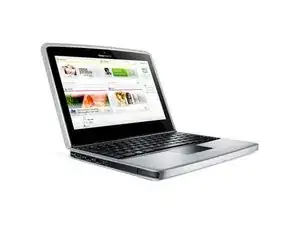
Given the popularity of the netbook category at the time, Nokia wanted to make a splash with their newest take on the netbook form factor. This was the first time that Nokia was making a laptop, so the hype surrounding the device was tangible. Announced on 24th of August 2009, the mobile giant took some inspiration from Apple in their design, marketing the aluminum unibody of the chassis as being “macbook-esque.” With its unique look making it stand out from the mostly plastic builds of other netbooks at the time. The added connectivity of always being online with a 3G connection, offered by AT&T, made it suitable for users needing web connectivity at all times. If you didn’t want the 3G coverage, the price jumped from a subsidized $300 euros to $699 off contract, making it a fairly hard sell to those not interested in the AT&T contract. The battery life was also excellent, fitting a 57Wh battery in a chassis that is less than 20mm thick, lasting about 8 hours or more when tested by multiple outlets.
The downsides
Its relatively high quality build could not hide its flaws. Its modern port selection of 3 USB 2.0 ports and one HDMI port didn’t sit well with some reviewers, with some at the time questioning the lack of VGA. The size was also a concern. It was a very thin and light device at the time, with the small frame not allowing for a full-sized keyboard and trackpad, making compromises in comfort for pure portability. Despite the screen being an impressive 1280x720 display, a pretty high resolution for the time, the poor viewing angles and brightness made it usable only indoors. Though the Achilles heel that came for the device was its lackluster performance. A single core intel Z530 Atom powered the device with only 1GB of Soldered DDR2. It also came with a slow 120GB 1.8” HDD, which didn’t improve the device’s overall speed. Apps were slow to load, and even the OS, despite being limited to Windows 7 Starter, struggled to open some websites. Even video and audio playback proved to be limited when streaming, though local playback fared much better. Graphics support is limited on some Linux distributions due to proprietary drivers. Without any improvements to the hardware, this eventually made this Nokia’s first and only foray into netbooks.
Product Specifications
Performance
Processor: intel Atom Series
- Z530 (1C / 2T, 1.6Ghz, 512KB)
Operating System:
- Windows 7 Starter
Graphics:
- Intel Graphics Media Accelerator (GMA) 500
Memory:
- 1GB (DDR2, Soldered)
Storage: 1.8” SATA HDD
- 120GB (4200 RPM, SATA II)
Speakers:
- Stereo speakers, HD Audio Controller
Microphone:
- Mono Microphone
Camera:
- Front:
- 1.3MP, fixed focus
Battery:
- Lithium polymer 57Wh battery, Removable.
Power Adapter:
- 30w barrel jack AC Adapter (19V, 1.58A)
Design
Display:
- 10.10" HD (1280x720) TN LCD, 150 nits, 16:9 aspect ratio, 153:1 contrast ratio
Dimensions:
- Netbook: 19.9 x 264 x 185mm (0.78 x 10.39 x 7.28 inches)
Weight:
- Netbook: 1.233 kg (2.72 pounds)
- Charger: 167 g (0.37 pounds)
- Netbook + charger: 1.4 kg (3.09 pounds)
Case Color:
- Black, Ice, Azure Blue
Case Material:
- ABS + Aluminum
*
Connections
WLAN:
- Atheros AR928X b/g/n Wi-Fi® 4 + Bluetooth® 2.1 + EDR, Soldered
WWAN:
- GlobeTrotter MO40x 3G, WCDMA 900/2100, HSPA, Soldered
Ports:
- 3x USB-A 2.0 port
- HDMI 1.2 port
- Headset Jack
- Barrel plug power connector
- Sdcard + SIM slot
*
Security
Physical:
- none
Security Chip:
- none
*
Bundled Accessories
- Cleaning Cloth
- USB Charging and Data Cable
- In-ear Headset
- Battery
Additional Information
Reviews
ZDNET Nokia Booklet 3g: A Tale of Two Netbooks
NotebookCheck.net Review Nokia Booklet 3G Netbook